There’s something special about the months of October, November, and December in a kindergarten classroom. The excitement is contagious, the decorations are brighter, the activities are more festive, and the anticipation of each new celebration brings a little extra magic into the school day.
For me, these are some of my favorite months of teaching. And while learning standards, instructional goals, and daily routines remain at the center of everything we do, I believe there is something equally important about making room for the fun.
Teaching kindergarten means recognizing that some of the most meaningful learning happens when children are fully engaged, excited, curious, and having fun. It means finding ways to bring creativity and celebration into the classroom without losing sight of the academic growth happening along the way.
October is, of course, all about Halloween! From themed crafts and classroom celebrations to the excitement of costumes and seasonal activities, there’s no shortage of opportunities to make learning memorable. November brings one of my favorite traditions: the Disguise a Turkey project. It’s an opportunity for students to use their imaginations, think creatively, and bring their personalities into a project that often becomes a family favorite, too.
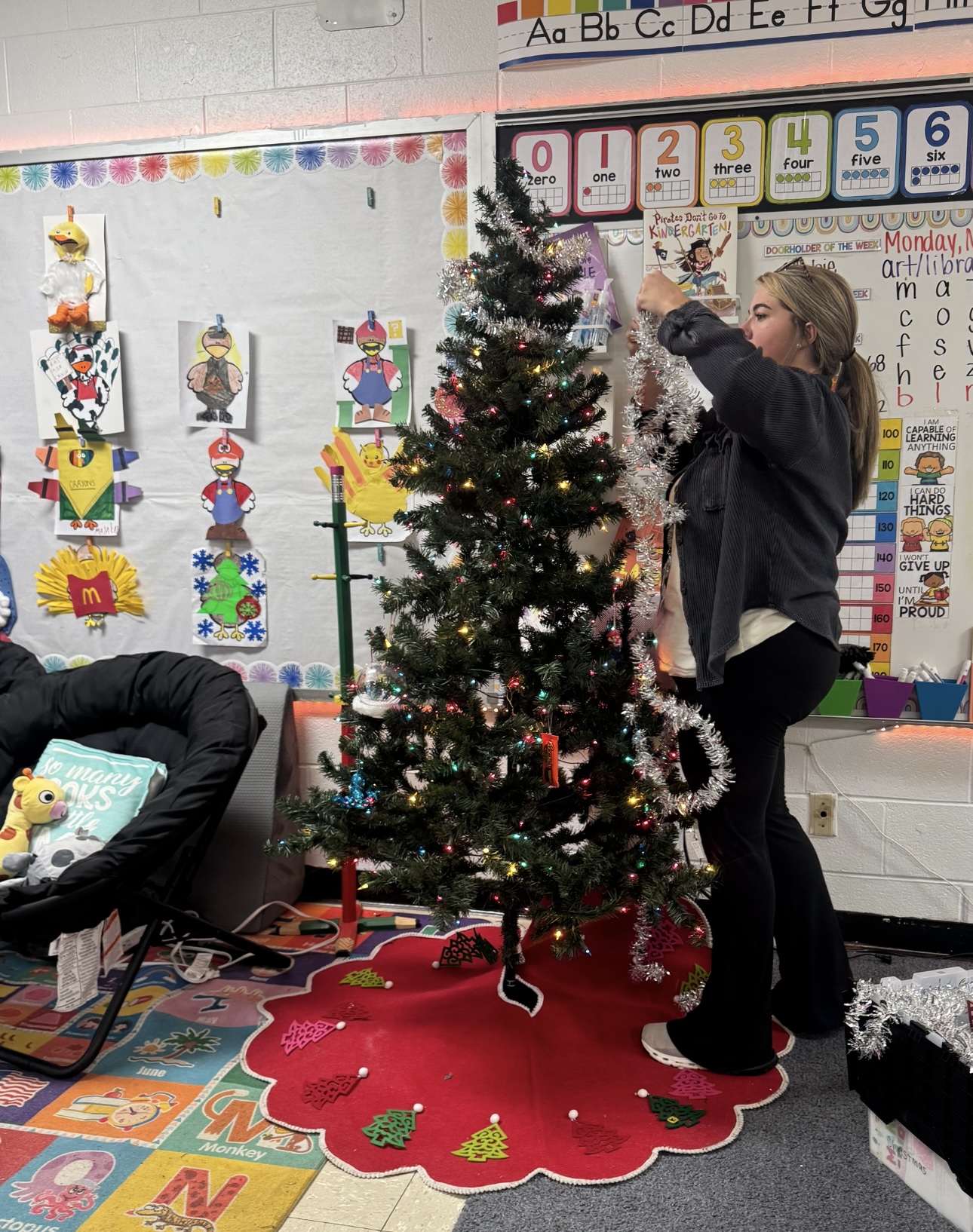
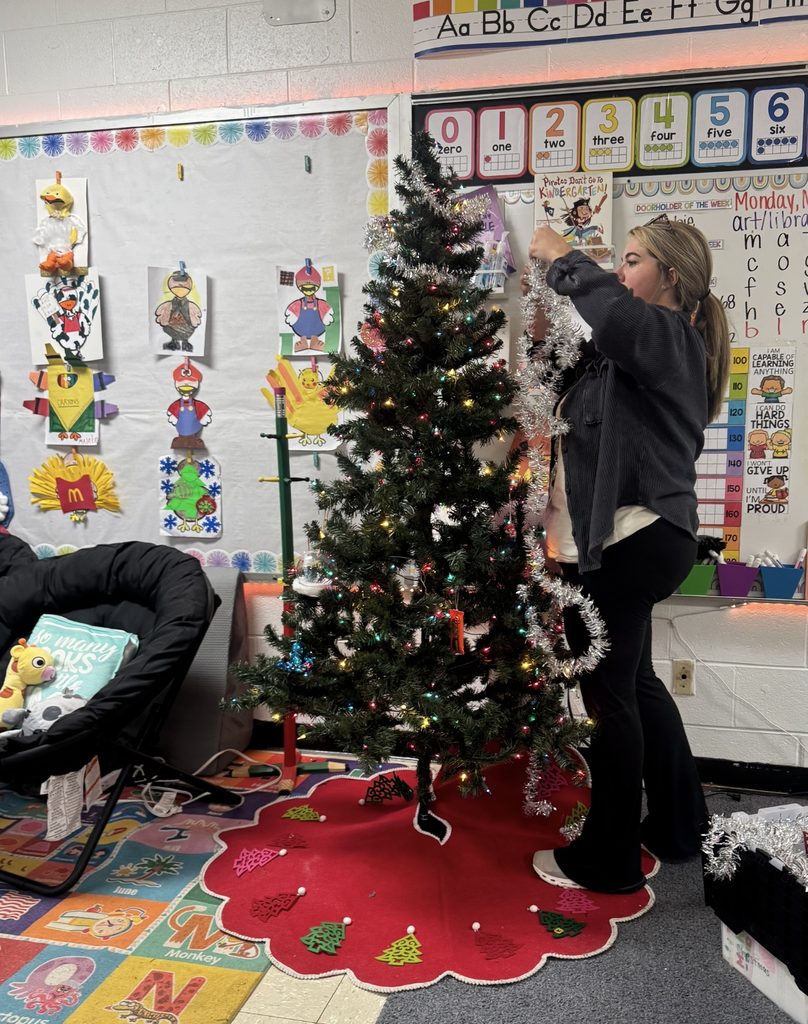
Then comes December, which might just be my favorite of all. I love decorating the classroom and putting up our Christmas tree on the very first day of the month. There’s something about watching the classroom transform and seeing the excitement on students’ faces that makes the season feel even more special. One of my favorite traditions is watching my students open their presents from me before they leave for Christmas break. Those little moments create memories that stay with you long after the decorations come down.
But here’s what I love just as much about this time of year: the growth.
October through December is often when we begin seeing some of the first major signs of growth in our kindergarten students. Skills that seemed difficult just a few weeks earlier start to click. Students become more confident, more independent, and more comfortable with classroom expectations. Their personalities begin to shine in new ways, and the progress we have worked so hard to build starts becoming visible.
It’s exciting to watch children recognize letters, develop early reading skills, strengthen their number sense, communicate their thoughts, and begin taking greater ownership of their learning. Sometimes the biggest victories aren’t found in a test score or a completed assignment. They’re found in a child who finally raises their hand, reads a word independently, helps a classmate, or proudly announces, “I did it!” Those moments are worth celebrating, too.
Finding the Balance Between Fun and Learning
As educators, we sometimes feel pressure to make every minute count academically. Between pacing guides, standards, assessments, and the everyday responsibilities of teaching, it’s easy to feel that seasonal activities are taking time away from instruction. But what if we looked at those activities differently?
A Halloween craft can become an opportunity to practice following directions, sequencing, fine motor skills, and descriptive language. A disguise-a-turkey project can encourage creative thinking, writing, problem-solving, and family involvement. Decorating a classroom Christmas tree can become a lesson in counting, patterns, colors, cooperation, and working together. The fun and the learning don’t have to compete with one another. In fact, some of the most engaging classroom experiences happen when we intentionally bring the two together.
That doesn’t mean every activity needs to become an elaborate academic lesson. Sometimes children simply need the opportunity to create, celebrate, laugh, and enjoy being part of a classroom community. Those experiences help build relationships, create a sense of belonging, and give students something to look forward to. For our youngest learners especially, those connections matter. “The goal isn’t to choose between meaningful instruction and meaningful memories. We can make room for both.”
I also think it’s important to remember that the joy we create in our classrooms affects us as educators. Teaching is demanding. The expectations are real, the workload is heavy, and the days can be long. Sometimes, allowing ourselves to enjoy the little traditions, laugh with our students, and participate in the excitement of the season reminds us why we chose this profession in the first place.
We don’t have to abandon our instructional goals to enjoy teaching. We can meet our standards and still make memories. We can maintain structure and still embrace spontaneity. We can be intentional about instruction while allowing children to experience the excitement of childhood.
The Moments That Make Teaching Special
Years from now, students may not remember every worksheet they completed or every standard they mastered during the fall semester. But they may remember the classroom Christmas tree, the turkey they disguised, the Halloween celebration, or the teacher who made ordinary school days feel extraordinary. While we can’t measure every meaningful classroom experience, we shouldn’t underestimate its impact. The beauty of teaching is that we get to create opportunities for children to learn, grow, and experience joy all at once. Sometimes, the smallest traditions become the biggest memories.
So, as we move through these final months of the calendar year, let’s give ourselves permission to enjoy them. Let’s celebrate the progress we’re seeing, embrace the traditions that make our classrooms unique, and remember that making school a place where children love to learn is an accomplishment in itself. After all, the magic of teaching isn’t found only in what students learn. It’s also found in how they feel while they’re learning.
A Moment for Educator Reflection
As you think about your own classroom, school, or role in education, consider these three questions:
1. What seasonal traditions or activities do you already incorporate into your classroom that create excitement, build relationships, or make learning more memorable for students?
2. How could you take an activity your students already love and intentionally connect it to an academic standard, social-emotional skill, or opportunity for collaboration?
3. When students look back on this school year, what is one experience you hope they’ll remember, and what can you do now to help create that memory?
Submitted by: Kayla Walls in collaboration with TN Educator Collective
Role: Kayla Walls works as a Kindergarten Teacher in Morgan County, TN
Kayla has taught in two schools, and has dedicated 9 of her 10 years to teaching Kindergarten and 1st grade. Her start in 2016 was a whirlwind. Before she even graduated college, she taught on an emergency waiver, jumping into a little bit of everything. She first started teaching 7th and 8th-grade math, and from navigated maternity leaves across 2nd, 3rd, and 4th grades.
Growing up in a large family, she spent her childhood surrounded by smaller cousins and family members. She has always loved being around children and wants to make a tangible difference in their lives.
Kayla currently teaches at her alma mater, where she attended grades K-12. In fact, she teaches in the same classroom that was her Kindergarten classroom. She finds profound joy in giving back to her community and teaching the children of families she knows and loves.