Created to empower educators throughout Tennessee with practical resources, authentic stories, and meaningful connections.
Check out our featured article below!
Welcome to the TN Educator Collective
The TN Educator Collaborative is a community for Tennessee educators to connect, collaborate, support one another, and share real experiences from the world of education. Whether you’re a teacher, paraprofessional, administrator, counselor, instructional coach, support staff member, or other educator invested in our students, this space is for you.
Featured Article
Proactive and Prepared: One School’s Vision for Kindergarten Academy
What if schools could begin supporting students and families before the first day of kindergarten? At Bowers Elementary School, Principal Alisha Thompson is taking that approach through Kindergarten Academy, an initiative designed to proactively address the academic, social, emotional, and behavioral needs of incoming kindergarten students. Rather than waiting for challenges to arise, Thompson and her team are building relationships, establishing a common language, and equipping families with practical tools before students ever walk through the school doors. In this TN Educator Collective interview, Thompson shares the inspiration behind Kindergarten Academy, what it looks like in practice, and the lessons her team has learned about preparing children and families for a successful start to school.
TN Educator Collective: What inspired you to start a Kindergarten Academy, and how has it been received by students, families, and your staff?
Alisha Thompson: The inspiration for Kindergarten Academy came from several years of seeing increasingly challenging needs among our kindergarten students. Whether those needs were connected to the effects of the pandemic, increased access to devices and technology, or an uptick in mental health and behavioral diagnoses, we recognized that we needed to be proactive rather than reactive.
We wanted to be at the forefront of our kindergarteners’ educational experience before they ever entered the Academy and, more importantly, before they ever entered our school building. We wanted families to know that Bowers Elementary was prepared to support their children academically, socially, emotionally, and behaviorally.
The response from families and staff has been very positive. Families appreciated having an opportunity to ask questions, receive reassurance, and learn about the supports that would be available to their children. Our staff also recognized the value of creating a shared understanding of expectations before the first day of school. Kindergarten Academy has allowed us to begin building relationships with families and students before the traditional school year even begins.
TEC: What does Kindergarten Academy look like for students and families, and what are some of the activities you provide?
AT: Kindergarten Academy actually begins before students start school in August. This year, it began in early April when we opened kindergarten registration.
As families came to register their children, we intentionally created opportunities for parents to sit down in small groups with our behavior interventionist, Jazz Eble and myself. During these “table talks,” we discussed ways families could begin preparing their children for belonging and behaving at Bowers Elementary.
We reassured families about the therapies, behavioral supports, interventions, and instructional approaches that we have in place for students. We wanted parents to understand that asking for support is not a negative thing—it is part of creating a successful school experience for every child.
Before families arrived, Ms. Eble, created social stories to help students and families prepare for the transition to kindergarten. The Academy began to take shape during those registration days as families selected social stories and resources focused on situations their children might struggle with during the first few days of school.
Some of the most requested topics were:
- How to Accept the Word “No”
- Using Appropriate Language at School: “No Bad Words”
- When We Are Mad, We Do Not Run Away
These resources gave parents concrete tools they could begin using at home while also introducing students and families to the language and expectations they would experience at Bowers.
TEC: What impact have you seen from Kindergarten Academy, and what advice would you give other principals who are considering creating something similar?
AT: The biggest impact we have seen is that we are beginning the relationship with families before we are faced with a problem. Instead of waiting until a kindergarten student struggles with behavior, communication, transitions, or expectations, we are giving families tools and information ahead of time.
Kindergarten Academy has helped create a common language between home and school. Families know what to expect, students are introduced to expectations in a developmentally appropriate way, and staff have a better understanding of what students and families may need as they enter kindergarten.
I also believe the Academy sends an important message to families: We are ready for your child, and we are ready to support you. That message helps build trust.
My advice to other principals would be to start small and focus on relationships. You do not have to create a large program overnight. Start by asking, “What are the things our kindergarten students and families struggle with during the first few weeks of school, and how can we address those needs before the first day?”
Use the people and resources you already have. Our behaviorist, behavior interventionist, teachers, administrators, and families all played a role in shaping Kindergarten Academy. Most importantly, listen to families. The questions and concerns they bring to registration can tell you exactly what your Academy needs to address.
If we can prepare a child and family for success before the first day of school, we have already taken an important step toward creating a positive kindergarten experience.
To contact Principal Thompson, or to learn more about Kindergarten Academy at her school, email us at tn************@***il.com and include the subject line: Kindergarten Academy.
Submitted by: TN Educator Collective in collaboration with Alisha Thompson
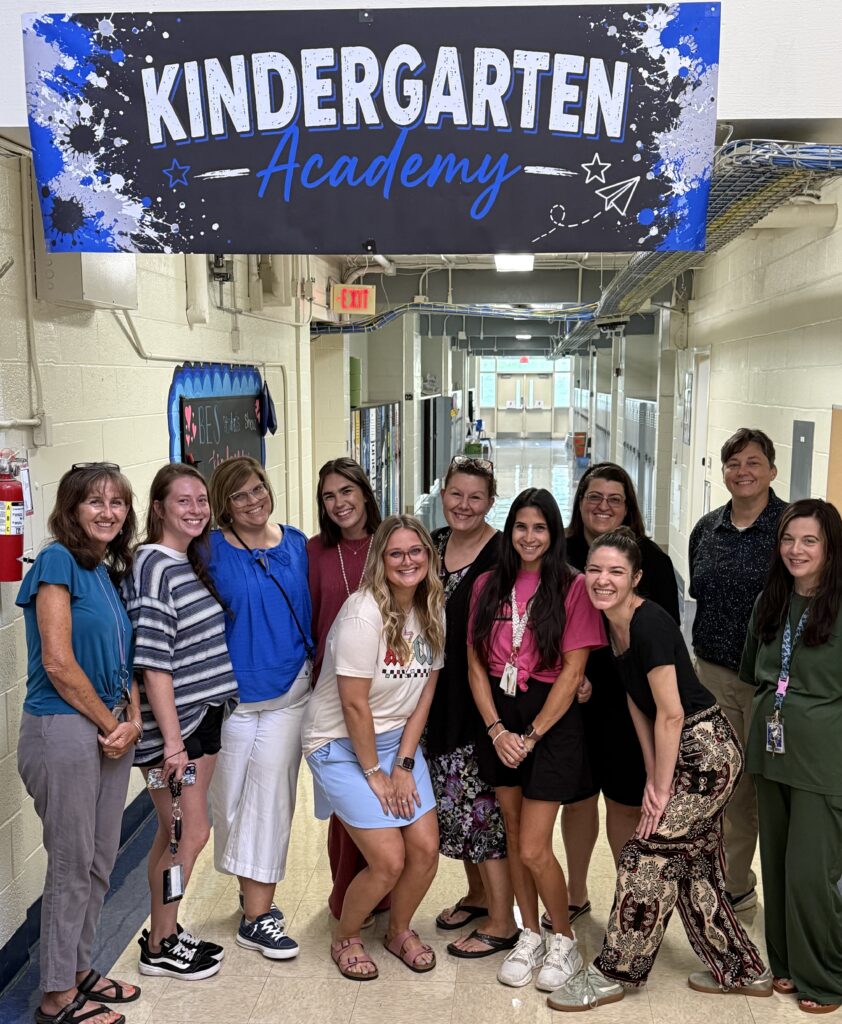
Alisha Thompson (pictured third from left) is a veteran educator with over 25 years of experience. Her previous educational roles included classroom teacher, reading specialist, and assistant principal. She currently serves as principal in a rural school district in East Tennessee. She possesses innovative thinking skills and strong problem-solving skills, and serves her school with clarity of mission and purpose. She is deeply grounded in the belief that “all kids are our kids,” a mindset that guides both her leadership and her commitment to supporting educators at her school.
Connecting and Elevating Educators Across Tennessee
TN Educator Collective was built to bring educators together through meaningful conversations, shared resources, encouragement, insights, and authentic educator voices from across the state. Here, you’ll find a place to celebrate successes, navigate challenges together, exchange ideas, spotlight educators making a difference, and build connections with people who truly understand the work you do every day.

Exclusive Opportunities
Members of the collective are invited to share their experiences, inspire other educators, and experience support and encouragement through special events.
Insights from Educators
Hear real experiences and insights from fellow Tennessee educators, fostering connection and inspiration across the community.
Collaborative Opportunities
Engage with peers in meaningful discussions, projects, and problem-solving that promote growth, innovation, and shared success in education.